Speech Sound Disorders

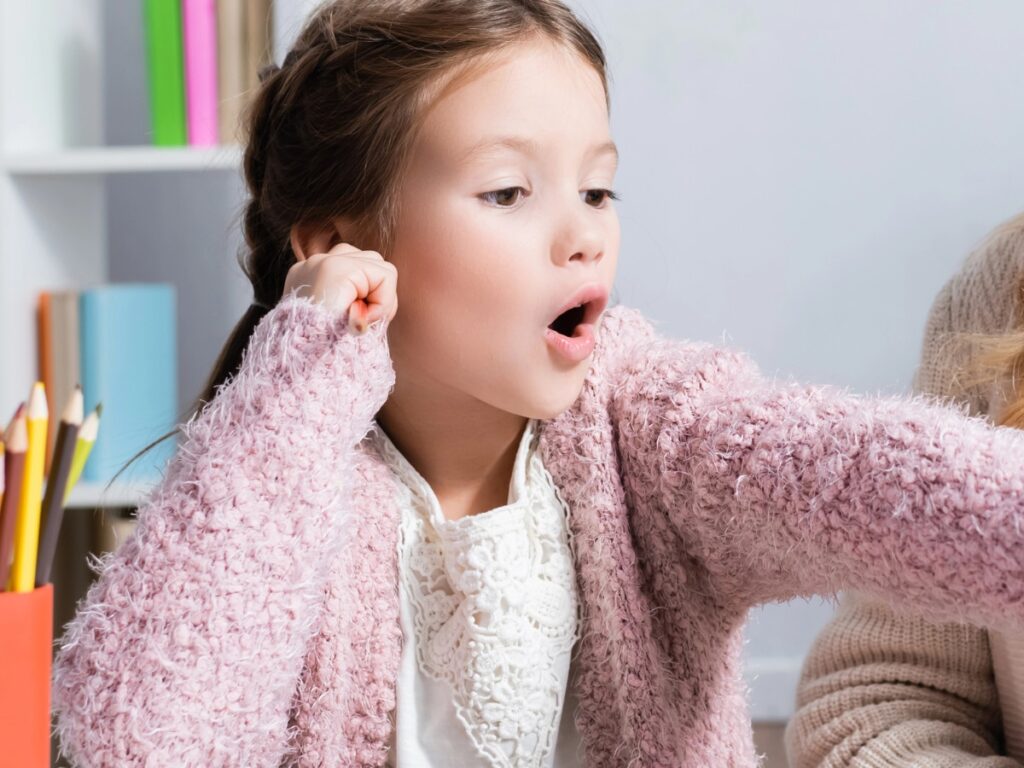
Holistic Speech Pathology - Services - Speech Sound Disorders - Speech pathologist helping child pronunciation

Are you worried about your child’s speech?


Do others find it difficult to understand your child?

It is normal for children to make some errors when they are developing speech. When speech errors persist beyond the expected age (see Milestones), speech can be difficult to understand and children can become increasingly frustrated or withdrawn.

It can look like this:

  • Replacing one sound with another – “cat” said as “tat”
  • Simplifying words by saying some sounds but not others “play” said as “pay”
  • Dropping lots of sounds “I can do that” said as “I an oo at”
  • Lisp – /s/ or /z/ sounds slushy or more like a /th/ sound
  • Knowing what you want to say but not being able to say it clearly or at all

Speech difficulties have been linked with literacy challenges at school so our recommendation is to seek early support, rather than ‘wait and see’.

Diagnosis


Holistic Speech Pathology applies a rigorous assessment protocol to determine whether your child has a speech sound disorder and what type of disorder may be occurring.

If you would like to know more about the types of Speech Sound Disorders, they are described in FAQs below.

We support bilingual and multilingual speakers and recognise the importance of communication development across all of a child’s languages.
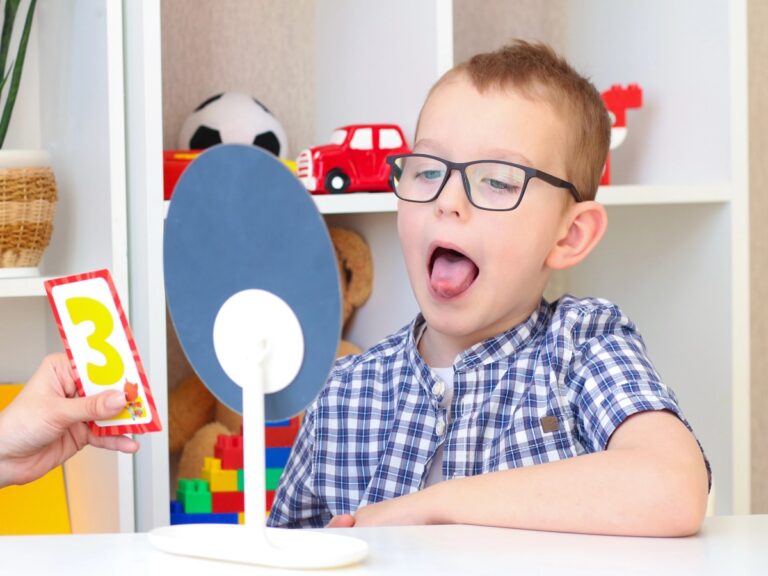
Holistic Speech Pathology - Services - Speech Sound Disorders - Articulation and phonological disorders speech therapy

Frequently Asked Questions


These are the common questions we receive. If you have any further questions not covered here, please contact us.

A speech sound disorder affects how clearly a child can be understood. It may involve articulation difficulties (trouble producing certain sounds, such as a lisp), phonological processes (using incorrect sounds due to the way sounds are stored), or motor speech conditions like Childhood Apraxia of Speech.

In some cases, a likely cause can be identified (E.g. hearing impairment, surgery, developmental or medical conditions). In other cases, there is no clear cause but a case history can help with identifying any relevant risk factors.

The patterns children use to make words easier to say while they’re learning to talk. Instead of saying a word in the way an adult would, a child might change, leave out or swap sounds in the word so they can still attempt communication.

Articulation is how clearly a child makes individual speech sounds. An articulation difficulty happens when a child has trouble using the lips, jaw and/or tongue to make a certain sound so speech sounds different.

Childhood Apraxia of Speech (CAS) is a motor speech disorder where children have difficulty planning and coordinating the movements needed for speech. It is one of the areas we assess and treat as part of our specialist focus on speech sound disorders.

We recommend looking into any concerns you have, rather than waiting. You can discuss your concerns in a consult, book a screening or assessment. These options can provide you with reassurance and recommendations.

A speech delay affects how clearly a child speaks and can be understood. A language delay or disorder affects how a child understands language (receptive language) and/or uses words and sentences to communicate (expressive language). Some children have both.

We provide culturally safe and responsive assessments and therapy. Home language, family values, beliefs and preferences are built into each step of our process.

Have concerns about your child’s speech, language, literacy or fluency?

Start with a consultation to learn what the next steps are.