Authentic connection, not performance
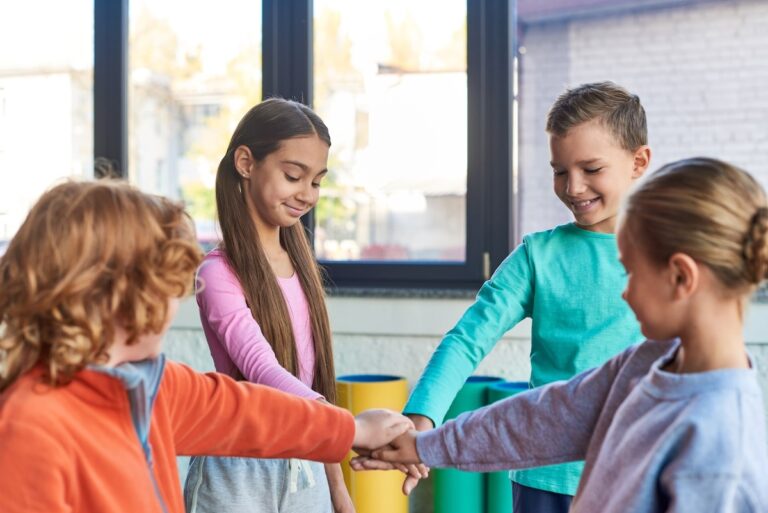
At Holistic Speech Pathology, we offer warm, neuro-affirming social skills therapy for children and young people from the early years through to eighteen years of age. Social communication is not a script to memorise. It is the way we connect, share ideas, build friendships and feel that we belong. Our role is to help your child grow these skills in a way that fits who they are, not who anyone expects them to be.
We work with children who are finding social spaces hard, children who are recovering from social experiences that did not go well, and young people who want more confidence in conversation, friendship and self expression. Our social skills therapy for children is shaped around your child as a whole person.
Experienced across complex social presentations
Our team has extensive experience working with children whose social profiles are layered and nuanced. This includes autistic children, children with ADHD, children with language difficulties, children with anxiety, children who have experienced bullying or exclusion, and young people whose social experiences have shaped how safe they feel with peers.
Complex social presentations call for careful, individualised work. Our years of clinical practice across health, education and community settings have shaped our ability to look beyond surface behaviours and understand what is happening underneath. Social skills therapy for children is grounded in that understanding.
Social learning needs safety first
A child who does not feel safe cannot practise social skills. Social learning asks the brain to take risks, read others, manage uncertainty and put themselves out there. None of this is possible when a child is in protection mode.
Within social skills therapy for children, this means we earn trust before we teach. We notice the pace of our questions, the predictability of our sessions, the freedom to pause, the freedom to disagree and the freedom to be quiet. When a young person feels safe with us, they begin to share more honestly. They tell us what is hard at school, what friendships feel like from the inside, what they wish people understood. This is where meaningful work begins.
Regulation supports social learning
Co regulation, movement and sensory access work hand in hand with social learning. When a child’s body feels settled and their sensory world feels manageable, they have the capacity to notice others, take in social information and respond in ways that feel right to them.
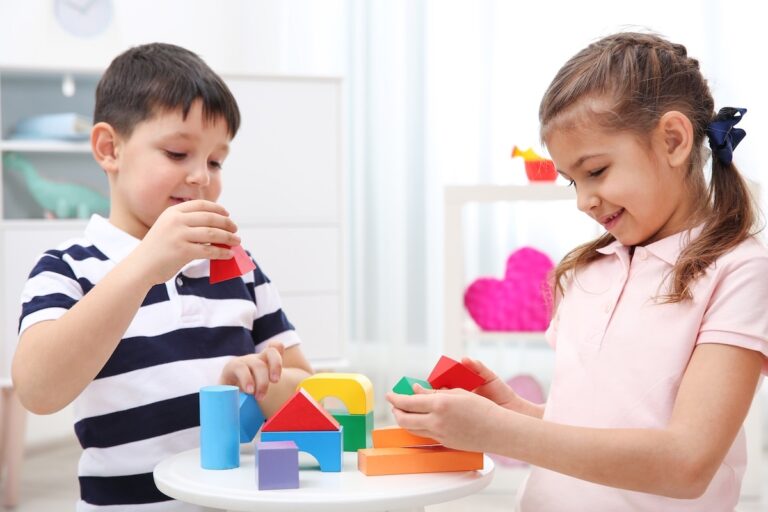
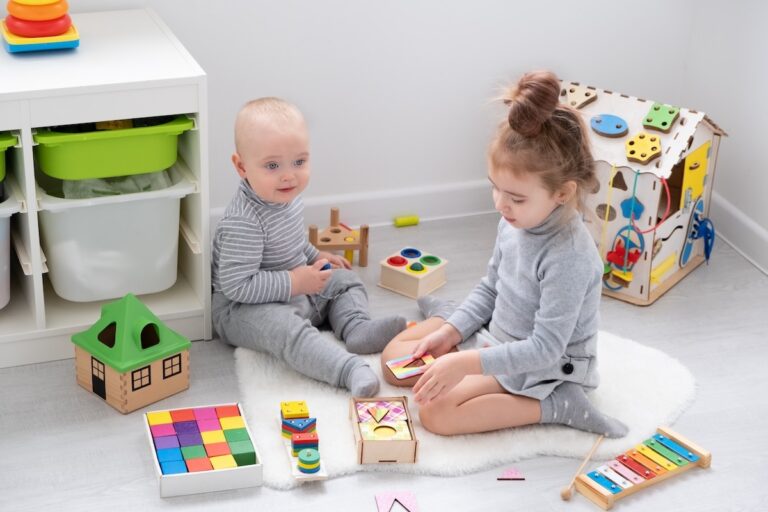
Sessions reflect this. A session of social skills therapy for children might unfold on the floor, in a quieter room, through a shared activity or in a paired session with another young person. We follow what your child’s body and mind are telling us. Stimming, movement breaks and thinking time are all welcomed. These are not interruptions to social learning. They often support it.
What we work on, together
Social skills therapy for children can include:
- Understanding emotions in yourself and reading them in others
- Navigating strong feelings as they rise in social moments
- Communicating when rules feel broken or unfair
- Working through competitiveness in healthy, connected ways
- Coping with losing and managing the feelings that come with it
- Loosening the grip of perfectionism in social and academic settings
- Starting, holding and ending conversations with comfort
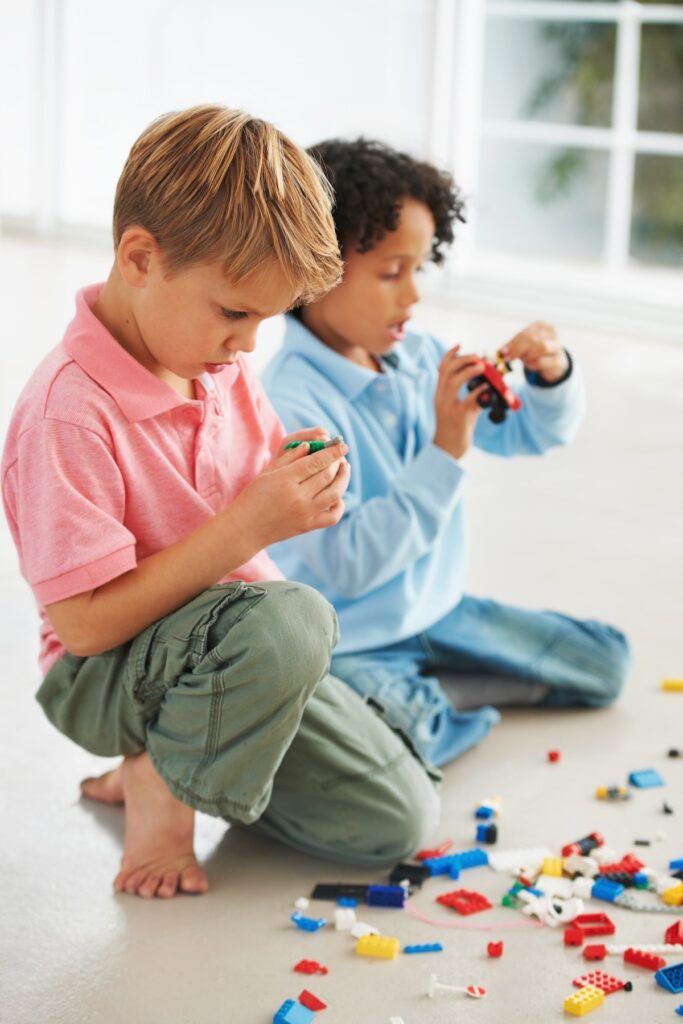
- Friendship skills, including joining in, sharing interests and managing conflict
- Recognising and responding to social cues in ways that feel authentic
- Self advocacy, including saying no, asking for help and naming what you need
- Navigating online communication, group chats and digital friendships
- Recovering from social misunderstandings without shame
- Building confidence in classroom and community settings
Goals are set with you and, where possible, directly with your child or young person. We ask what they want their social life to look and feel like. We follow their lead. We celebrate the shifts that matter to them.
Different approaches for different ages
Social skills therapy for children looks different across ages. With younger children, we work through play, shared interests and gentle modelling within the natural flow of a session. With primary aged children, we use structured activities, role play, social stories and reflection on real situations from school and home. With teenagers and older young people, sessions often look more like coaching conversations. We talk about real friendships, real group chats, real moments that went well or did not.
Across all ages, the work stays the same at its core. Build the relationship. Build self understanding. Build skills that last.
Connection before correction
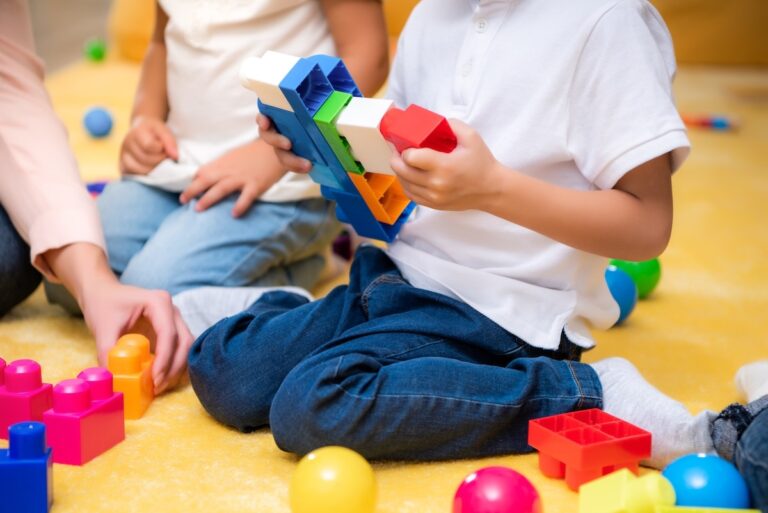
Fun and connection are not optional in our sessions. Play, humour and genuine interest in your child build the trust that everything else stands on. We meet younger children through play, older children through shared curiosity, and teenagers as the thoughtful young people they are.
Social skills therapy for children works best when the young person feels truly seen by the adult guiding them. We take that seriously.
Parents and caregivers as partners
You know your child best. No clinician will ever know them the way you do. We listen carefully, plan with you and share practical ideas that fit into your everyday family life. For older young people, we balance partnership with you and respect for your child’s growing autonomy.
Social skills therapy for children is not something that only happens in the clinic. It flows into the school run, the dinner table, the playground, the group chat and the lounge room. Real social growth happens in real life, and we equip you to support it.
What a session can look like
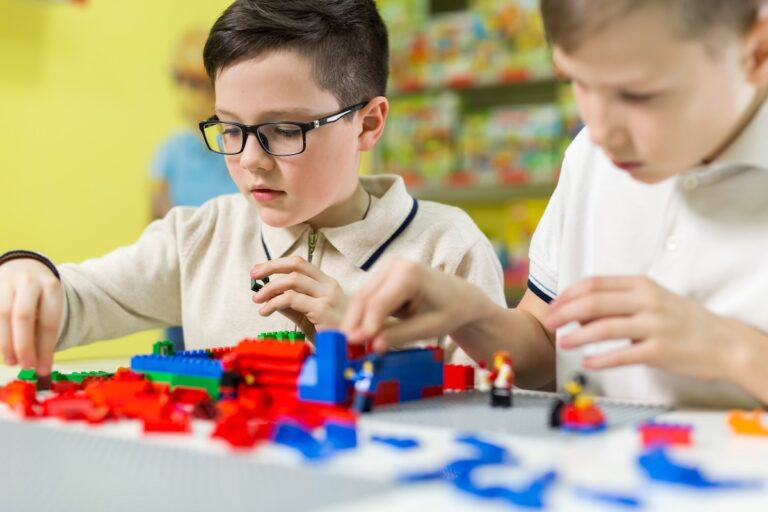
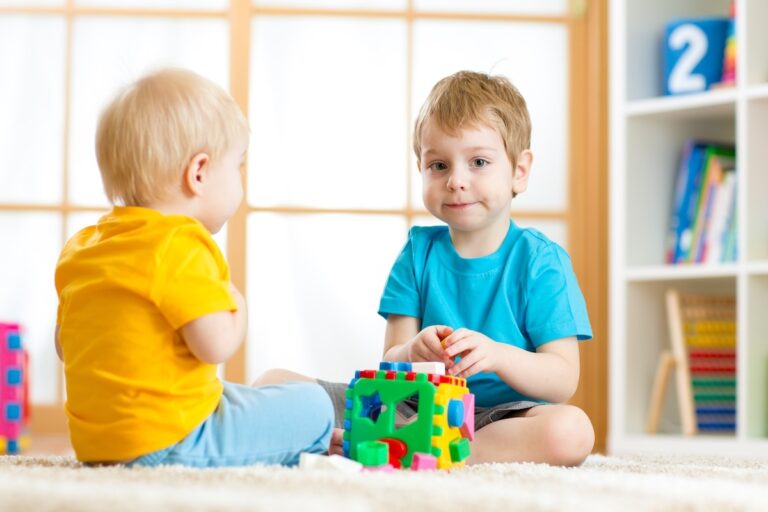
A session of social skills therapy for children might include shared play, structured games, role play, reflection on a recent friendship moment, problem solving a tricky group chat or simply talking through how the week went. It might look light. It might look serious. It will always be tailored to where your child is on that particular day.
Grounded in evidence based practice
Social skills therapy for children at Holistic Speech Pathology is grounded in evidence based practice. This means we combine the best available research evidence with our clinical experience and your family’s values, beliefs and priorities. We choose approaches that are supported by current research in speech pathology, social communication and child development, and we adapt them thoughtfully to suit your child.
Evidence based practice is not about applying a single program to every child. It is about staying current with the research, asking the right questions, measuring what is working and adjusting when something is not. We bring this rigour to every stage of social skills therapy for children, from assessment through to discharge.
Frequently Asked Questions
These are the common questions we receive. If you have any further questions not covered here, please contact us.